







The first-time bird owner guide is the checklist for the first year with a companion bird in the Philippines: the cage, the diet, the first week, the veterinarian, the hazards in an ordinary home, and the papers. It applies to budgerigars, lovebirds, cockatiels, and the larger parrots; a finch or a canary is a caged bird that needs a companion of its kind more than it needs handling.
A bird is small and its needs are not. It needs a diet that is not seed, hours of company or a companion bird, daily time outside the cage, and a veterinarian who sees birds. Arrange the last one before the bird arrives, because there are few.
Contents
Before the bird arrives
- A cage wider than it is tall, with bar spacing the bird cannot push its head through, and a door you can reach into easily.
- Perches of different widths, natural wood where you can, placed so droppings do not fall in the food.
- Two or three dishes: pellets, fresh food, water. Metal or ceramic, washed daily.
- A formulated pellet for the species, and the food the bird eats now for the changeover.
- Toys to chew and shred, and a foraging toy. Rotate them.[1]
- A cage cover for the night, and a small travel carrier.
- A kitchen scale. A weekly weight is the earliest sign of illness you will get.
- An avian veterinarian found, with a first check-up booked for the first week.
The first week
- Place the cage against a wall, at chest height, in a room the family uses but not in the kitchen. Cover half the cage for the first days.
- Speak softly and move slowly near the cage. Offer food from your hand through the bars before you offer a hand inside.
- Keep a new bird in a separate room from any bird you already have until the veterinarian clears it, for the quarantine period the veterinarian sets.[2]
- The first veterinary visit: examination, weight, a stool test, and a conversation about diet and about testing for the diseases birds pass to each other and to people.
- Start the diet change slowly, mixing pellets into the seed over weeks, and watch that the bird eats.
Health in the first year
- Diet. A pellet base with fresh vegetables daily and seed as a small share. Seed alone leaves a bird short of vitamin A and calcium, and the damage shows in a few years. See Food and water basics.
- Weight. Weigh weekly at the same time of day. A steady loss is the first sign of illness.
- Nails and beak. Perches of the right texture wear them; the veterinarian trims what they do not.
- Wings. Clipping is a choice to discuss with the veterinarian. A flighted bird needs a safer room; a clipped bird still needs exercise.
- Yearly check-up. Birds hide illness until it is advanced, so the routine visit finds what you cannot see.
- Vaccines. None are routine for companion birds in the Philippines; ask the veterinarian.
The daily routine
- Fresh pellets, fresh vegetables, and fresh water in the morning; fresh water again in the evening. Remove wet food after a few hours in this heat.
- Change the cage paper. Wash the dishes.
- Time out of the cage in a bird-proofed room, every day: windows and doors shut, fans off, other pets out, no open water.
- Ten to twelve hours of dark, quiet sleep under the cover. A bird kept up with the television is a bird that screams and plucks.
- Talk to it. A bird alone in a silent room is a bird in distress.
Hazards in a home
- Fumes from non-stick cookware, self-cleaning ovens, aerosols, scented candles, and cigarettes. A bird's lungs fail before yours notice.
- Ceiling fans, open windows, open doors, and mirrors and windows a bird flies into.
- Standing water: a toilet, a sink, a pot on the stove.
- Cats and dogs. Never loose together.
- Foods: avocado, chocolate, caffeine, alcohol, onion, garlic, xylitol, and salty snacks.[3]
- Heat. A cage in the afternoon sun or in a closed room without airflow is a dead bird. See Pets in the Philippine climate.
Papers
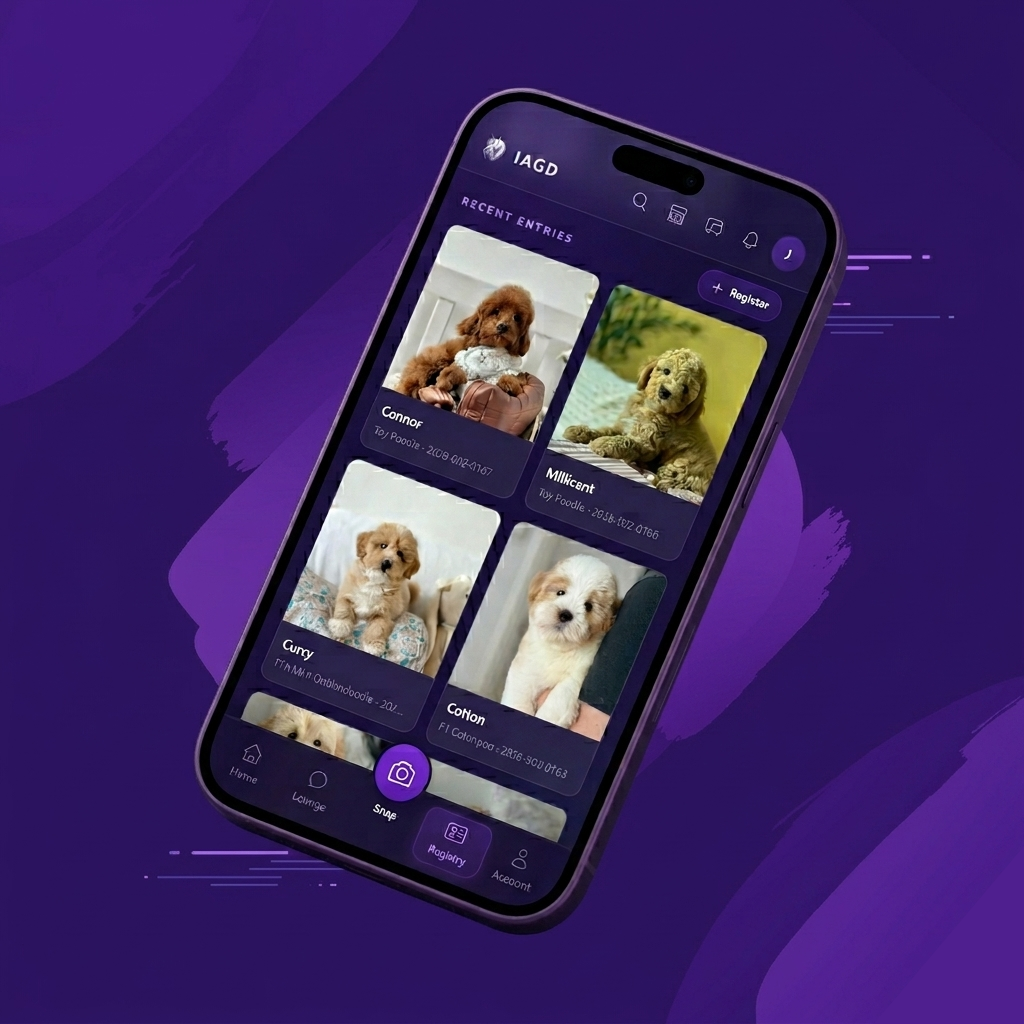
- IAGD record. Free, from the register page or the SuperApp. Enter the kind of bird in the breed field.
- Native species. A native wild bird needs a permit and a certificate of wildlife registration from the DENR under Republic Act 9147, and the sale of one without papers is an offence. Captive-bred exotic species such as budgerigars, lovebirds, and cockatiels need no permit.[4]
- Travel. Moving a bird between islands or abroad needs Bureau of Animal Industry paperwork, and DENR paperwork for a native species.
Common mistakes
- A seed-only diet.
- A round cage, or a tall narrow one. Birds move sideways.
- The cage in the kitchen.
- One bird, alone, in a room nobody uses.
- Buying a wild-caught native bird from a roadside seller.
- Waiting to see if a fluffed, quiet bird improves. It does not; it needs the veterinarian today. See When to go to the vet now.
Common questions
Which bird for a first owner?
A budgerigar or a cockatiel: small, quieter than a parrot, easy to feed, and content with a companion bird when you are out. A large parrot is a decades-long commitment with the noise to match.
One bird or two?
Two of the same kind if you are out most of the day. One if you want a bird that bonds to you, and you are home to be bonded to.
How do I know a bird is sick?
Weight loss, sitting fluffed for hours, tail bobbing with each breath, a change in droppings, a closed eye, or sitting on the floor of the cage. Any of these is a same-day visit.


